
Identity Designed #018
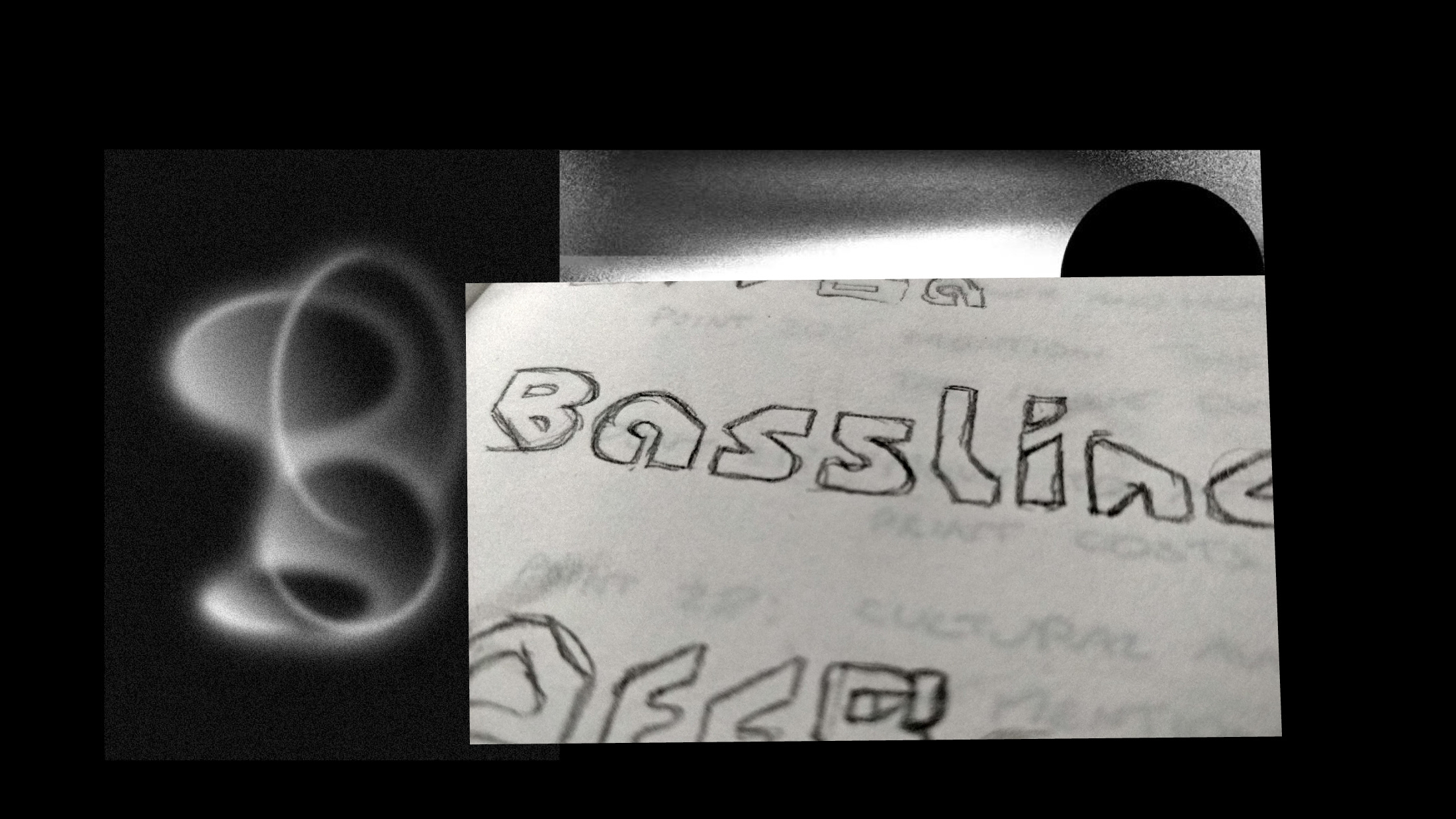
It was a real pleasure chatting with Alen Kapetanovic for his CAPTN Offscript podcast. As well as being a gracious host, Alen is a Madrid–based type designer who founded SilverStag Type Foundry (subscribe to his newsletter for some free type goodness).

We talked about our families, growing up in Ireland and Bosnia, our lives in design, and our preference of slowing down in an often chaotic world. Listen here.
Things I found interesting this month:

The details in Club’s identity for Hotel Wren are lovely. Club is an art and design studio in LA, California, founded by Noah Love and A.J. Mercer. “Together we practice celebrating the classics in the modern era, devoid of any passing trends.” I like that.
Enjoying Nick Carson’s Work & Play newsletter, for short insights into the parenting habits of creative professionals. Reminds me I’m definitely not alone with the ups and downs of parenting while self-employed.
Mockup Lab has some excellent PSDs for sale. At the same time, I’ve been watching how others are creating their branded mockups using Nano Banana.

Armin Vit shared an intriguing insight into how the visual identity was created for this year’s Brand New Conference. Well worth a read.
Katy Cowan interviewed Pentagram partner Angus Hyland about Pentagram’s studio move following more than four decades in their old London–based premises. Is there a more ubiquitous book on studio shelves than Angus Hyland’s Symbol?
Speaking of Pentagram, I re-watched Michael Bierut’s 2015 talk from Design Indaba on how to think like a designer. Excellent.

“The first thing I’d say is avoid trends. Don’t get lost in what’s new, what’s of the moment.” That was Bobby Burrage of The Click in The art of timeless — building brands that endure. Great read, great work.
Keeping on trend…

While reading the D&AD 2025 Trend Report this quote from one of the awards’ jurors, Johanna Roca Martinez (LinkedIn), stood out: “There was a lot of work that used gen AI (to be expected) but that alone didn’t make it better. It may have helped teams work faster or more efficiently, but what made the best work stand out was still the thinking, the originality, and the craft. The tools were secondary to the idea.”
Eunoia: Words that Don’t Translate, by Steph, via Reed Words.
Dan Mall’s advice on improving your portfolio:
“Experts win more client work. Here’s how you can be seen as an expert: Show at least three of the same kind of project in your portfolio. A brand designer who’s an expert at branding fintech startups has three or more fintech brand projects in their portfolio. Better yet: A brand designer who only has three or more brand projects for fintech startups in their portfolio feels like even more of an expert at working with fintech startups than everyone else. Showcase similar projects, and leave everything else out. We view people who have done something more than everyone else as experts. Make your portfolio look like it.”

Lastly, I was honoured to have my book Work for Money, Design for Love included amongst classic and esteemed titles in ODB — Obys’ Design Books. “These books inspire, educate, and support the creators who dedicate themselves to design.”
A splendid experimental website, too.
Until next time
Enjoy the small things.
— David
Thank you